IPHatch North America: The Startup Launchpad for Deep Tech Innovation
May 12, 2026 - 2 min read
Beyond the Hype: How Responsible AI Development Builds Consumer Trust
(This article was generated with AI and it’s based on a AI-generated transcription of a real talk on stage. While we strive for accuracy, we encourage readers to verify important information.)
Mr. Rob Pegoraro, a contributor for PCMag and Fast Company, noted the industry’s struggle to achieve trustworthy AI. He cited a viral video of a commencement speaker being booed for praising AI, highlighting significant public distrust and animosity.
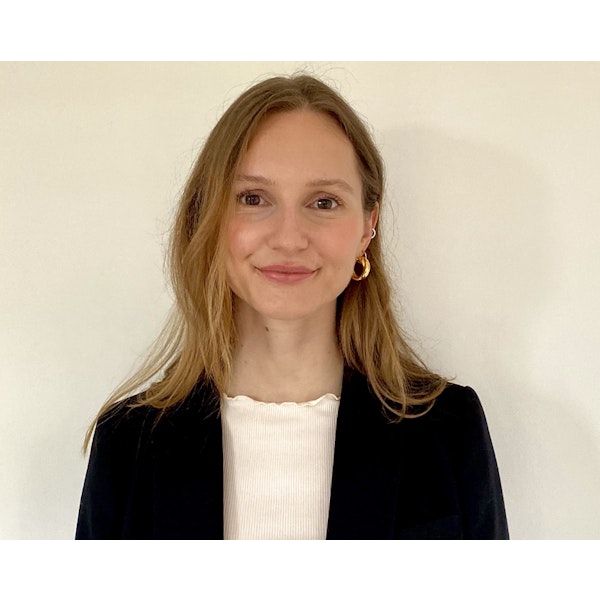
Ms. Pamela Snively, Chief Data & Trust Officer at TELUS, attributed public apprehension to the “AI-first world” narrative, advocating for a “human-first” approach. She clarified AI as a human-controlled tool, not autonomous, stressing human retention of control.
Ms. Snively emphasized human accountability, stating that attributing AI’s actions to the technology evades developer responsibility. TELUS’s research revealed strong public demand for greater transparency and consultation on AI solutions.
Consumers seek clear explanations of AI’s functions, data usage, and risks. Notably, 90% of Canadians and Americans surveyed want AI regulated, highlighting a universal need for trust. TELUS employs stringent vendor due diligence and ethical evaluation.
Addressing environmental concerns, Ms. Snively highlighted TELUS’s partnership with the Canadian government for three new data centers in British Columbia. These will use 98% renewable energy, 90% lower water consumption, and one will repurpose waste heat for 150,000 homes.
To enhance transparency in AI models, TELUS actively engages in global forums and adheres to international standards. They endorse the Canadian Voluntary Code for responsible AI and the Hiroshima AI protocol, publicly disclosing their AI management.
Internally, TELUS employs a “purple teaming” approach, combining red and blue team strategies, to rigorously test and strengthen AI systems. This led to “Fortify,” an automated tool for identifying AI risks, now commercially available.
Ms. Snively clarified TELUS’s corporate culture: while “moving fast and breaking things” is encouraged for experimentation, it never compromises customer trust or core values. AI is seen as a growth engine, boosting productivity for social benefit.
Responsible AI development is integrated into core requirements, aligning innovation with ethical principles. Ms. Snively advised policymakers to develop thoughtful, enforced regulations that foster innovation and maintain trust, promoting sustainable AI development.