Private equity inclusion for Indigenous projects

Share

From Aspiration to Action: Indigenous Equity and Green Energy Power Canada’s Future

(This article was generated with AI and it’s based on a AI-generated transcription of a real talk on stage. While we strive for accuracy, we encourage readers to verify important information.)

Penny Daflos

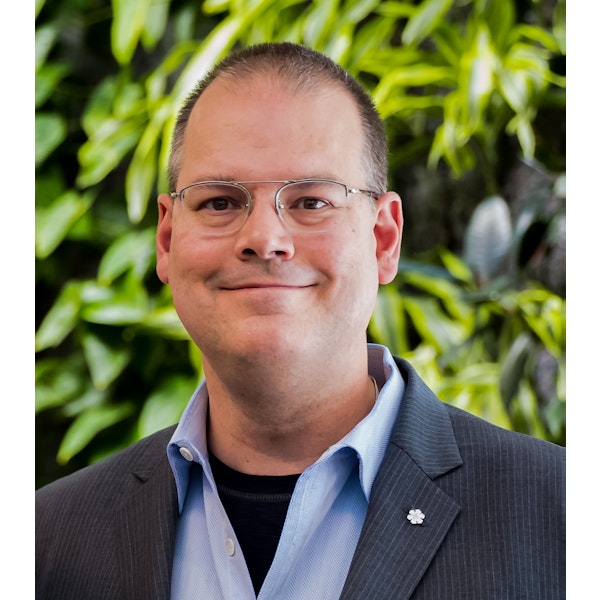
At Web Summit Vancouver 2026, Mr. David Isaac, CEO of W Dusk Energy, and Mr. James Delorme, CEO of the Indigenous Infrastructure Fund Corporation, discussed Indigenous leadership in Canada’s energy and infrastructure. Mr. Isaac, a Mi’kmaw leader, focuses on decolonizing infrastructure through sustainable solar and wind projects. Mr. Delorme, former Chief of Klahoose First Nation, works to bridge the digital divide for First Nations.

The panel addressed Prime Minister Mark Carney’s announcement to double Canada’s power grid capacity. Mr. Delorme cited Klahoose First Nation’s hydro projects as proof of active Indigenous participation, emphasizing that government and industry collaboration is crucial for equity inclusion. Mr. Isaac added this presents a massive opportunity for clean energy and First Nations, supporting national interest through energy independence and robust, renewable-powered communities.

The discussion then focused on the Declaration on the Rights of Indigenous Peoples Act (DRIPPA). Mr. Delorme clarified that DRIPPA established Free, Prior, and Informed Consent (FPIC) principles, mandating engagement with First Nations before projects. He views DRIPPA as an opportunity to de-risk projects and facilitate private equity entry, stressing that genuine relationship-building is key for success.

Mr. Isaac argued that DRIPPA’s controversy is largely politicized. He stated that proper implementation increases certainty and de-risks projects, often formalizing existing collaborations where companies already work closely with First Nations for employment and social license. Progressive companies now prioritize First Nations holding equity in projects, moving beyond mere consultation, with Indigenous communities involved as architects from the outset.

Examples like CEOC in Vancouver demonstrate effective operationalization of these advanced partnership models. Mr. Isaac highlighted the long-term financial stability of renewable energy projects, with 20-30 year power purchase agreements offering reliable returns, aligning with Indigenous philosophies. Mr. Delorme recounted Klahoose’s Jimmy Creek hydro project in 2010, where they lacked capital for upfront ownership. Today, increased equity allows Indigenous communities immediate ownership, reflecting significant financial advancement.

Both speakers envision a “new day” for Indigenous investment. Mr. Delorme highlighted the growing popularity of ESG investment. While capitalism hasn’t always favored Indigenous communities, organizations like the IIFC support “unbankable projects.” The goal is to bridge colonial investment practices with Indigenous natural law, fostering equitable development and ensuring essential tools remain accessible. This positions Indigenous people as leaders in sustainable development.

Mr. Delorme stressed the invaluable Indigenous knowledge for guiding investments in transitions from fossil fuels, housing, and sustainable data centers, ensuring environmental responsibility. Mr. Isaac concluded by emphasizing national security and global citizenry, seeing a historic opportunity for Canada to generate its own green hydrogen fuel and clean electricity, aligning with Indigenous principles of harmony with nature and galvanizing younger generations through meaningful work.

Related
Game Over, Continue? Lessons from the ups and downs of building game studios

Game Over, Continue? Lessons from the ups and downs of building game studios

May 14, 2026 - 2 min read
Related
Dynamic robots that learn

Dynamic robots that learn

May 14, 2026 - 2 min read