Building AI companies that go the distance
May 12, 2026 - 2 min read
Smart Money’s Playbook: Navigating AI Investments and Finding Defensibility in 2026
(This article was generated with AI and it’s based on a AI-generated transcription of a real talk on stage. While we strive for accuracy, we encourage readers to verify important information.)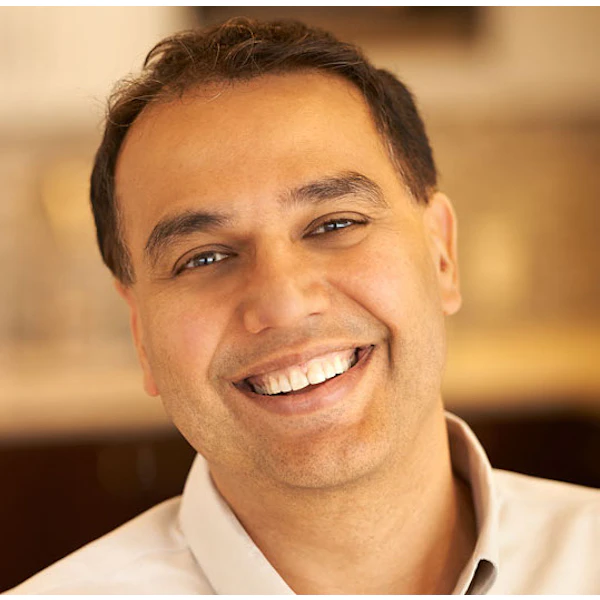
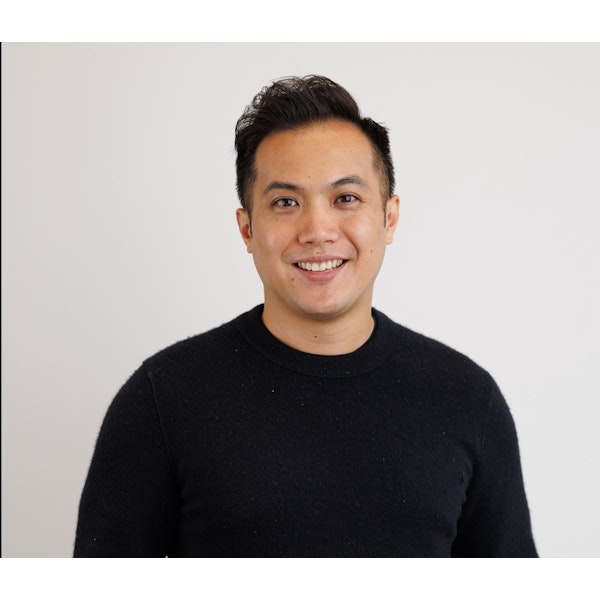
At Web Summit Vancouver 2026, Salil Deshpande of Uncorrelated and David Cohen of Techstars, moderated by Kia Kokalitcheva, discussed smart money investment in the AI boom. Both agreed the AI revolution is early, with Mr. Cohen foreseeing a long arc of innovation shifting from chat-based AI to broader intelligence, transforming society over decades.
Mr. Deshpande defined investment “quality” by gross margin, noting low or negative margins in many AI-producing companies. He seeks quality lower in the stack, in infrastructure software and hardware, citing Nvidia. Mr. Cohen, focusing on early-stage, emphasized defensible verticals beyond easily replicable software, such as hardware, space, and healthcare, where proprietary data and regulation create barriers.
For application-layer defensibility, Mr. Deshpande questioned if a product is merely “forms on top of a database.” If so, he assesses data ownership and migration difficulty, noting that even robust systems like Salesforce can be vulnerable. Mr. Cohen added moats like physical connections, location-specific requirements, and proprietary data loops, predicting a shift from “pay per seat” to “pay for performance” models.
The panelists expressed caution regarding specialized AI models. Mr. Cohen worried about their defensibility due to rapid core AI advancements, advising investment in services built around existing large language models (LLMs) that deliver tangible value. Mr. Deshpande views AI as a “big budget customer” for infrastructure over the next 20-30 years, requiring significant investment in racks, machines, chips, power, and cooling. He questioned the sustainability of low gross margins in the AI-producing middle layer, where continuous model training blurs cost classifications, making it a difficult area for investment.
Mr. Deshpande shared his personal investment shift towards hardware, leveraging his electrical engineering background. His portfolio now includes chip companies enabling device communication through skin, and various space ventures. He acknowledged the longer gestation periods and distinct KPIs of hardware compared to software, a departure from traditional SaaS metrics.
On where to avoid investing, Mr. Cohen cautioned against “just software” or “thin wrappers” around AI that lack a clear outcome. Mr. Deshpande advised against applications that are “forms on top of a database” if data can be easily moved, and reiterated caution regarding the AI middle layer due to gross margin issues and continuous model retraining. Concluding, Ms. Kokalitcheva asked for one top investment vertical for the next five years. Mr. Cohen chose healthcare, anticipating advancements in human longevity. Mr. Deshpande selected power and energy, recognizing the immense and urgent demands of the expanding AI industry.