Winner, winner, cultivated chicken dinner
The Future of Food: Cultivated Meat’s Journey from Science Fiction to Sustainable Reality
(This article was generated with AI and it’s based on a AI-generated transcription of a real talk on stage. While we strive for accuracy, we encourage readers to verify important information.)
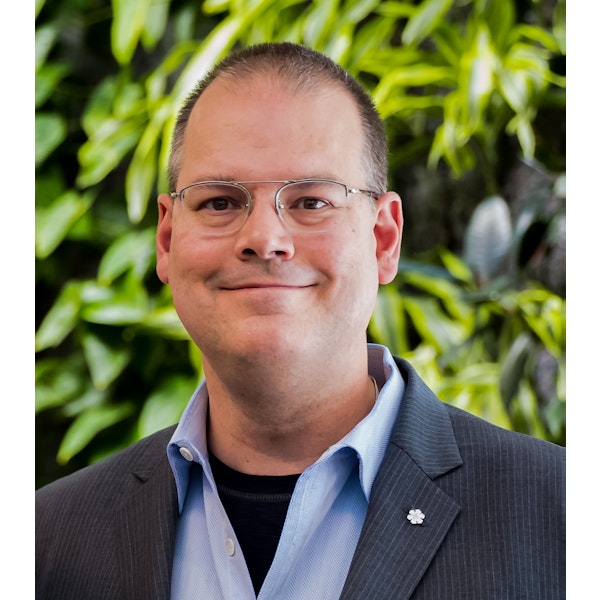
At Web Summit Vancouver 2026, Dr. Uma Valeti, Founder and CEO of UPSIDE Foods, presented cultivated meat as a sustainable solution to global food demands. His company has produced hundreds of thousands of pounds of chicken meat without animal slaughter, a stark contrast to conventional methods. This innovation, backed by over $200 million in R&D, has evolved from science fiction to reality over the last decade, addressing critical issues like food security, climate change, and animal welfare.
The process begins with chicken cells, isolated from an egg in 2018 and frozen. These cells are thawed, multiplied in bioreactors mimicking a chicken’s body, then fed a nutrient mixture to grow into real chicken meat. A facility produces a chicken’s worth of meat every few seconds. Cells from a single egg can sustain production for over a decade, having already yielded the equivalent of 100,000 chickens’ worth of meat. This method offers enhanced food safety, eliminating risks of farm-borne diseases and contaminants like E. coli.
Dr. Valeti, a former cardiologist, applied his stem cell research to food, navigating scientific validation and rigorous regulatory approval from U.S. agencies like the FDA and USDA, ensuring safety and traceability. The strategic focus on chicken was due to its superior technical performance and widespread global culinary acceptance. UPSIDE Foods also develops hybrid products, combining cultivated meat with plant-based proteins to improve nutritional profiles, creating healthier options free from antibiotics.
To combat public skepticism and misinformation, Dr. Valeti champions transparency. UPSIDE Foods offers tours of its clean, brewery-like facility, inviting people to witness the process and taste the product. This open approach contrasts sharply with the secrecy often surrounding conventional factory farms, where “ag-gag” laws restrict public viewing, fostering a “natural fallacy” about traditional meat production methods.
Cultivated meat’s environmental footprint is significantly smaller, requiring substantially less land and water than traditional livestock farming. A 40,000 square-foot plant can produce as much beef as 8,000 cows, without generating methane emissions, offering a highly efficient and sustainable protein source. Despite legislative resistance in some U.S. states, the industry is gaining global momentum. Dr. Valeti anticipates achieving price parity with conventional meat within five years, aiming for 1% of global meat production by 2030, extending this platform technology to healthcare, energy, and AI.