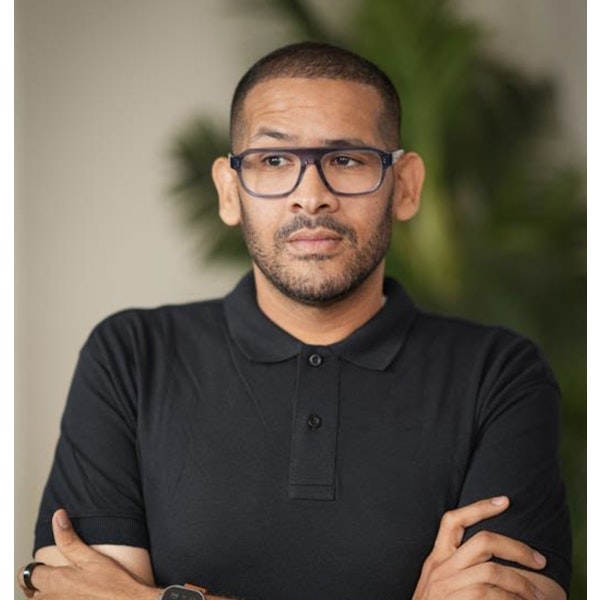
Press Conference with AHOY Co-founder and CEO Jamil Shinawi
May 12, 2026 - 2 min read
Unlocking the Recognition Economy: Metropolis’s AI Vision for a Frictionless Future at Web Summit Lisbon 2025
(This article was generated with AI and it’s based on a AI-generated transcription of a real talk on stage. While we strive for accuracy, we encourage readers to verify important information.)
At Web Summit Lisbon 2025, Rachael Segal, Host of Beyond a Ballot, introduced Ms. Courtney Fukuda, Co-founder of Metropolis. Ms. Fukuda outlined Metropolis’s goal: building the “recognition economy” using AI and computer vision for seamless, personalized physical world experiences. Founded in 2017, the company focused on its core recognition platform for smart infrastructure.
Metropolis first applied computer vision to parking, an analog and fragmented system, providing rich data for AI development. Scaling involved acquiring parking operators, making Metropolis the largest in North America. This required careful brand management to avoid being solely defined as a “parking company.”
Ms. Fukuda stressed evolving the brand beyond parking. Metropolis aims to be a trusted technology for frictionless, personalized experiences across sectors like drive-throughs and hospitality. Building consumer trust is paramount, demonstrating clear value with innovative technology in familiar routines.
The core value proposition is saving customer time by eliminating friction. Parking is a means, not an end. By protecting data and delivering tangible benefits, customers readily adopted the technology, even demanding its expansion into other services, reinforcing trust and brand loyalty.
The acquisition of SP Plus expanded Metropolis’s workforce from 2,000 to over 20,000 overnight. This necessitated a unified brand strategy, prioritizing Metropolis’s technology. The aim was to instill pride and a shared understanding of the company’s broader mission among all employees, crucial brand ambassadors.
Building a brand for “invisible” technology presents a unique challenge. While operating in the background, the positive, “magical” experience is noticed. Visible touchpoints, like initial sign-up and customer support, must reflect high brand standards, ensuring positive associations even when technology is seamless.
Ms. Fukuda clarified the “recognition economy” is not surveillance. It uses recognition points to personalize experiences beneficially, with users controlling their exposed information. The vision, inspired by “Minority Report,” creates responsive environments that eliminate friction by intelligently adapting to individual preferences.
For scaling companies, Ms. Fukuda advised two things. First, anchor the brand in a long-term, “science fiction” vision, maintaining conviction and relatable messaging. Second, prioritize creating superior human experiences and tangible customer value. This fosters trust, organic growth, and customer evangelism.